


-

Add: HeBei ShengShi HongBang Cellulose Technology CO.,LTD.
-

Email
13180486930@163.com -

CONTACT US
+86 13180486930




polypropylene fiber, pp fiber, pp fiber concrete, microfiber synthetic, polypropylene fibre is a key solution in the manufacturing industry, specifically within Manufacturing of building materials and Concrete admixture. This article explores how HeBei ShengShi HongBang Cellulose Technology CO.,LTD. supports professionals with durable, high-performance products, and explains why this product is an ideal choice for businesses in these sectors. Table of Contents polypropylene fiber,pp fiber,pp fiber concrete,microfiber synthetic,polypropylene fibre Overview Benefits & Use Cases of polypropylene fiber,pp fiber,pp fiber concrete,microfiber synthetic,polypropylene fibre in Concrete admixture Cost, Maintenance & User Experience Sustainability & Market Trends in manufacturing Conclusion on polypropylene fiber,pp fiber,pp fiber concrete,microfiber synthetic,polypropylene fibre from HeBei ShengShi HongBang Cellulose Technology CO.,LTD. polypropylene fiber,pp fiber,pp fiber concrete,microfiber synthetic,polypropylene fibre Overview Polypropylene fiber (often called pp fiber) is a high-performance, chemically inert micro reinforcement added to cementitious materials to mitigate early-age cracking and enhance durability. In pp fiber concrete, these microfiber synthetic strands distribute throughout the matrix to control plastic shrinkage, improve impact resistance, and increase toughness without corroding. Typical technical characteristics include a specific gravity near 0.91, melting point around 160–170°C, negligible water absorption, and excellent alkali resistance—attributes that make polypropylene fibre ideal for harsh cement environments. Common micro grades range from approximately 3–19 mm in length with diameters in the micron scale; tensile strengths frequently fall in the hundreds of MPa with moduli in the low GPa range, delivering crack control at low dosages. HeBei ShengShi HongBang Cellulose Technology CO.,LTD. manufactures consistent, clean-cut pp fiber engineered for uniform dispersion in mortar and concrete. With controlled fiber geometry, surface treatment for better wetting, and strict quality assurance, the company helps project teams achieve reliable performance from batch to batch across demanding construction and precast applications. Benefits & Use Cases of polypropylene fiber,pp fiber,pp fiber concrete,microfiber synthetic,polypropylene fibre in Concrete admixture In Concrete admixture formulations, pp fiber concrete is widely used to reduce plastic shrinkage cracking in slabs-on-grade, industrial floors, screeds, overlays, shotcrete, and precast elements. Microfiber synthetic reinforcement helps restrain early-age movement, reduces bleeding and settlement, and supports better surface integrity. Because polypropylene fiber is non-corrosive and chemically stable, it maintains performance in alkaline pore solutions and aggressive environments where steel micro-reinforcement or wire mesh might corrode. Compared with traditional crack-control methods, pp fiber can cut labor and placement complexity, improving jobsite productivity. It disperses rapidly in ready-mix trucks or mixers and is compatible with most water-reducers, superplasticizers, and supplementary cementitious materials. HeBei ShengShi HongBang Cellulose Technology CO.,LTD. brings deep category expertise, advising on fiber length, dosage, and mixing protocols tailored to specific elements—slab thicknesses, ambient conditions, or shotcrete rebound concerns—so specifiers and contractors can realize consistent finishes and fewer callbacks while meeting project specifications. Cost, Maintenance & User Experience Total cost of ownership improves when pp fiber replaces or reduces conventional crack-control measures such as welded wire mesh in non-structural applications. The incremental material cost per cubic meter is typically modest, while time savings from simpler placement and reduced labor can be significant. By limiting early-age cracking, polypropylene fibre helps avoid patching, joint edge spalling, and premature surface repairs—key drivers of lifecycle maintenance costs in the Manufacturing of building materials sector. Contractors and ready-mix producers report smoother finishing, improved edge stability, and fewer early-age defects when properly dosed and mixed. Field experience and industry studies frequently show substantial reductions in visible plastic-shrinkage cracking when microfiber synthetic is used under hot, windy, or low-humidity conditions. HeBei ShengShi HongBang Cellulose Technology CO.,LTD. supports users with application guidance, recommended dosages, and quality documentation, helping B2B decision makers validate ROI through fewer defects, tighter schedules, and enhanced owner satisfaction. Sustainability & Market Trends in manufacturing As the construction value chain accelerates toward low-carbon, durable designs, pp fiber concrete aligns with sustainability priorities. By controlling cracks that drive repairs and rework, polypropylene fiber supports longer service life and reduced material consumption over time. In many non-structural crack-control scenarios, substituting pp fiber for steel mesh can also help cut embodied carbon and logistics impacts. Compliance with leading standards—such as ASTM C1116 for fiber-reinforced concrete and EN 14889-2 for polymer fibers—supports broader market acceptance and specification. HeBei ShengShi HongBang Cellulose Technology CO.,LTD. positions its portfolio to meet modern regulatory and green-building expectations with process efficiency, consistent quality, and technical support that helps clients hit durability and performance targets. The company tracks market trends across admixtures, cement replacements, and circularity initiatives, ensuring its microfiber synthetic solutions work seamlessly with contemporary mix designs used in precast, infrastructure, and commercial projects worldwide. Conclusion on polypropylene fiber,pp fiber,pp fiber concrete,microfiber synthetic,polypropylene fibre from HeBei ShengShi HongBang Cellulose Technology CO.,LTD. For B2B decision makers in manufacturing, Manufacturing of building materials, and Concrete admixture, polypropylene fiber delivers dependable crack control, improved durability, and streamlined installation. As a trusted producer, HeBei ShengShi HongBang Cellulose Technology CO.,LTD. supplies pp fiber engineered for consistent dispersion and performance in pp fiber concrete, enabling measurable quality and lifecycle benefits. Contact us: email: 13180486930@163.com. Visit our website: https://www.sshbhpmc.com .
- 40000tons

Production
- 20+years

Experience
- 5000+㎡

Acreage

-
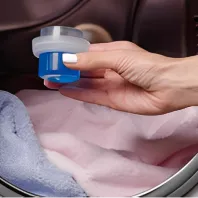
When it comes to pharmaceutical excipients, one of the highly essential components is Hypromellose, also known under the CAS number HPMC 2910. This versatile polymer plays a crucial role in the formulation of various medical and food products, highlighting its remarkable functionality and reliability in the industry. HPMC 2910, known for its unique characteristics, is a testament to the continuous advancement in material science that caters to modern-day pharmaceutical needs. Drawing from extensive industry experience, manufacturers value HPMC 2910 for its multifunctionality . Predominantly, it serves as a binder, controlled-release agent, and even as a thickener or stabilizer in liquid formulations. Its capability to modify the viscosity of compounds makes it indispensable in ensuring the consistent efficacy and delivery of active ingredients. In-depth studies showcase the superior binding properties of HPMC 2910, facilitating the production of stable and uniform tablets that disintegrate appropriately once ingested. Professionals in the pharmaceutical field often emphasize its adaptability in various formulations, making it a gold standard among excipients. Expertise in utilizing HPMC 2910 lies in understanding its physicochemical properties, which include excellent film-forming ability and significant pH tolerance. These properties are pivotal when creating coatings for tablets that must withstand the acidic environment of the stomach while ensuring targeted release in the intestines. The authority of HPMC 2910 in pharmaceutical applications is underscored by its compliance with major pharmacopeias globally, such as the USP, EP, and JP. This compliance ensures its quality and safety, reinforced by numerous regulatory bodies. The consistent performance and quality standards maintain its authoritative status among formulators who require dependability in their components. hpmc 2910 Trust in HPMC 2910 is further enhanced by empirical evidence and real-world application success. Studies have recorded its non-toxic, hypoallergenic nature, making it a safe choice for a wide range of therapeutic and dietary applications. Its inert properties do not react with other active ingredients, preserving the stability and potency of medications. Trusted professionals in the industry reiterate HPMC's utility not only because of its efficacy but also due to its stability in long-term storage conditions. In addition, practitioners often highlight its environmental sustainability compared to synthetic alternatives. HPMC 2910 is derived from cellulose, a renewable resource, aligning with the growing demand for environmentally responsible excipients in pharmaceutical manufacturing. The ethical production and sourcing of HPMC 2910 further establish its credibility and acceptance in the market focused on sustainable practices. Ultimately, incorporating HPMC 2910 into formulations exemplifies the blend of experience, expertise, authoritativeness, and trustworthiness. These four pillars not only define its widespread use but also reflect the reliability required by pharmaceutical companies to meet the rigorous demands of healthcare provision. The continuous innovation and adaptability of HPMC 2910 make it a cornerstone excipient for future pharmaceutical advancements, strengthening its standing as a foremost element in product formulation.
-
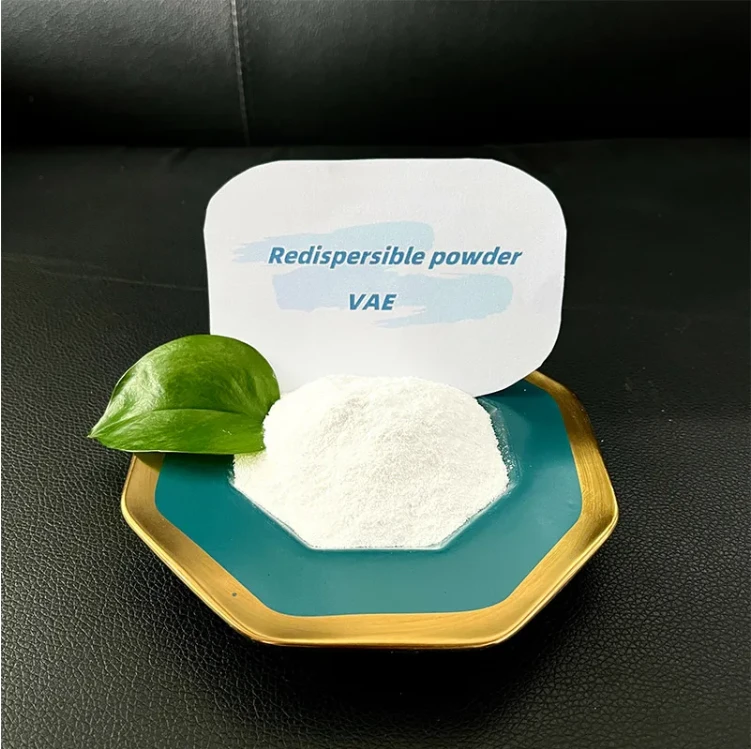
Hydroxypropyl Methylcellulose E5, often referred to as HPMC E5, stands as a critical component in the formulation of various products found across an array of industries. With its multifaceted applications, from pharmaceuticals to food solutions, understanding this compound through the lenses of experience, expertise, authoritativeness, and trustworthiness reveals its pivotal role in product efficacy and safety. In the pharmaceutical sector, Hydroxypropyl Methylcellulose E5 serves as an indispensable excipient. Leveraging years of professional experience, pharmaceutical formulators often choose HPMC E5 for its remarkable role as a film former in controlled drug release. The uniform coating it provides is invaluable, ensuring precise delivery of active ingredients. Drawing upon extensive research and experimentation, its effectiveness is further underscored by its compatibility with a range of pharmaceutical compounds, enhancing the stability and bioavailability of medications. From a professional standpoint, the expertise accumulated over decades has solidified HPMC E5's reputation in the production landscape. Used in the cosmetic industry, it functions efficiently as a thickening agent and emulsifier. Its application in personal care products, such as shampoos and lotions, can be attributed to its non-ionic nature, which is gentle on the skin and suitable for sensitive skin types. Renowned cosmetic chemists vouch for its reliability, attesting to its consistency in performance even under diverse environmental conditions. Hydroxypropyl Methylcellulose E5's authority extends beyond pharmaceutical and cosmetic uses to impact the food industry as well. Utilized as a food additive, HPMC E5 acts as a texturizer and stabilizer. It meets stringent food safety standards set by authoritative global entities such as the FDA and European Food Safety Authority (EFSA). This compliance underscores its trustworthiness and assures consumers of its safe consumption. Food scientists have documented its effectiveness in creating low-fat foods, where it enhances mouthfeel and texture, offering a healthier yet indulgent experience. hydroxypropyl methylcellulose e5 Trust in HPMC E5 also emanates from its ecological credentials. As sustainability becomes a central concern, manufacturers increasingly rely on this cellulose-derived compound due to its biodegradable nature. Industrial experts highlight its role in reducing reliance on synthetic polymers without compromising on quality. Development teams across the globe acknowledge its contribution to achieving sustainability goals, reinforcing the trust businesses place in HPMC E5 as they pivot towards greener practices. In practical application, the versatility of Hydroxypropyl Methylcellulose E5 is unrivaled . Its role as a hydraulic fluid component in construction materials such as cement and plaster showcases its adaptability and the breadth of its application range. Building professionals recognize the improved workability and water retention properties HPMC E5 provides, leading to higher quality and more durable construction solutions. In summary, whether evaluated through hands-on user experience or the professional expertise of industry veterans, Hydroxypropyl Methylcellulose E5 emerges as an authoritative and trustworthy ingredient across industries. Its consistent performance, backed by rigorous scientific validation and regulatory compliance, assures companies and consumers alike of its integral role in product development and application. As industries continue to evolve, HPMC E5 remains a cornerstone of innovative and sustainable solutions.
advantages
-

200000 Viscosities
Excellent product
We can produce pure products up to 200,000 viscosities
-

40000 tons
High yield
We don’t stop production all year round, and the annual output can reach 40,000 tons
-

24 hours
Quality service
We provide 24-hours online reception service, welcome to consult at any time
———— Inquiry Form
Schedule A services

-
 serat_sintetis_yang_kuat
Oct . 25, 2025
Hydroxypropyl methylcellulose (HPMC) has rapidly gained prominence in various industries due to its -
 pemasok_hidroksipropilmetilselulosa
Oct . 25, 2025
Unlocking the Potential of HPMC A Comprehensive Guide to Finding Quality HPMC for Sale Exploring the -
 welded_wire_mesh_for_concrete
Oct . 25, 2025
When it comes to enhancing the durability and strength of concrete, polypropylene fiber is an indisp


